

Hi Plant People!
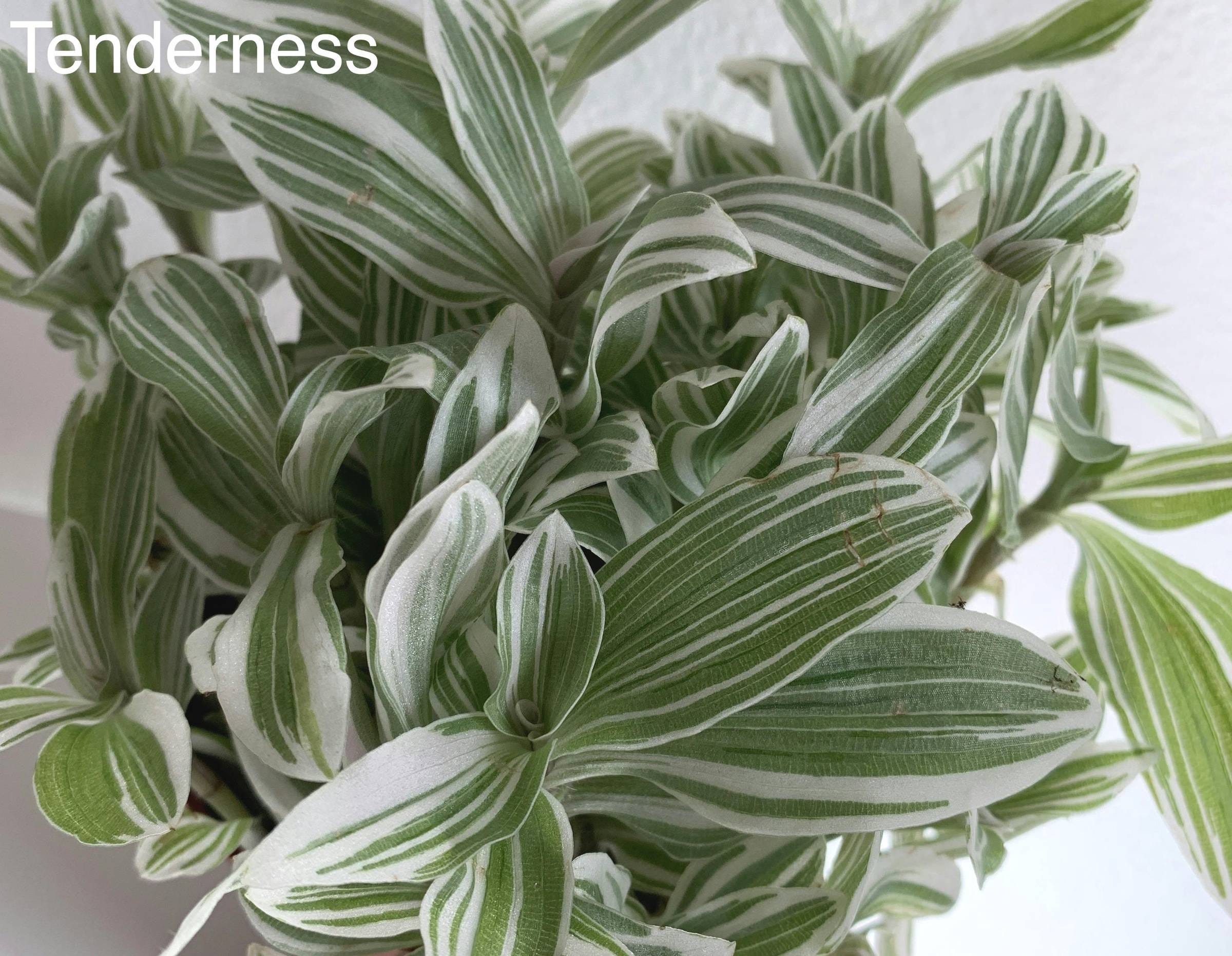
I couldn’t resist and brought home a new Tradescantia ‘Tenderness’ this week! It’s a beautiful cultivar with white variegation. It’s very similar to some other Tradescantias, someone thought it was ‘Albovittata’, while another guessed ‘Brightness’. It can be quite confusing; there are many with white variegation! But one thing many of them have in common is that they belong to the Continental group, so let’s talk about what that means!
What is the Continental Group?
You’ve probably heard about Tradescantia species like Fluminensis, Cerinthoides, Zebrina, and Pallida. Just like these, the Continental Group is a category within Tradescantia. Each species includes a number of different cultivars, such as Fluminensis Variegata, Cerinthoides Nanouk, Zebrina Burgundy, and Pallida Purple Pixie. The exact number of cultivars in the Continental Group is tricky to tell since there are many varieties that are very similar and not always easy to distinguish from one another. What they share, though, is a compact growth pattern, short internodes, and typically slow growth.
Which Cultivars Belong to This Species?
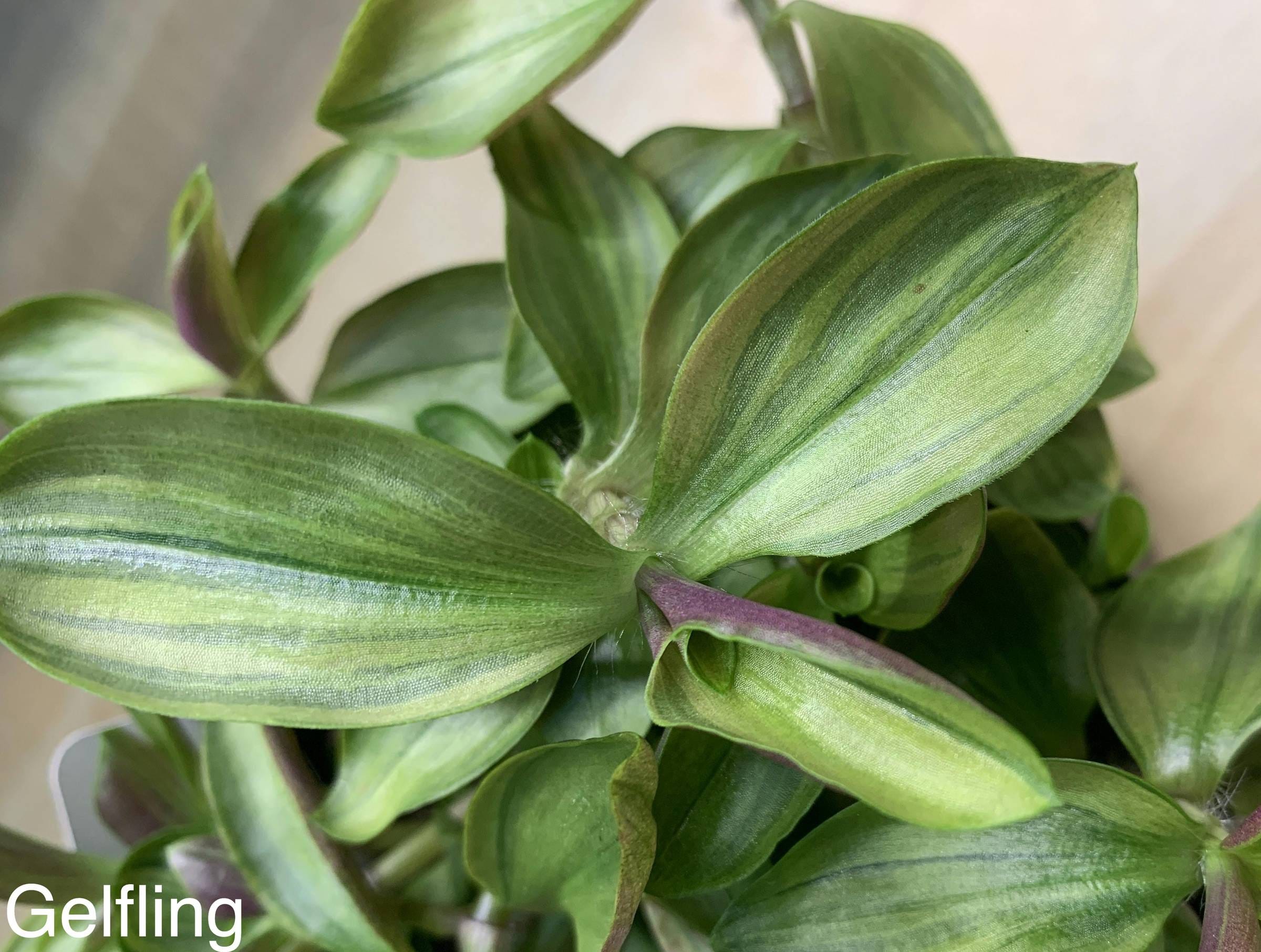
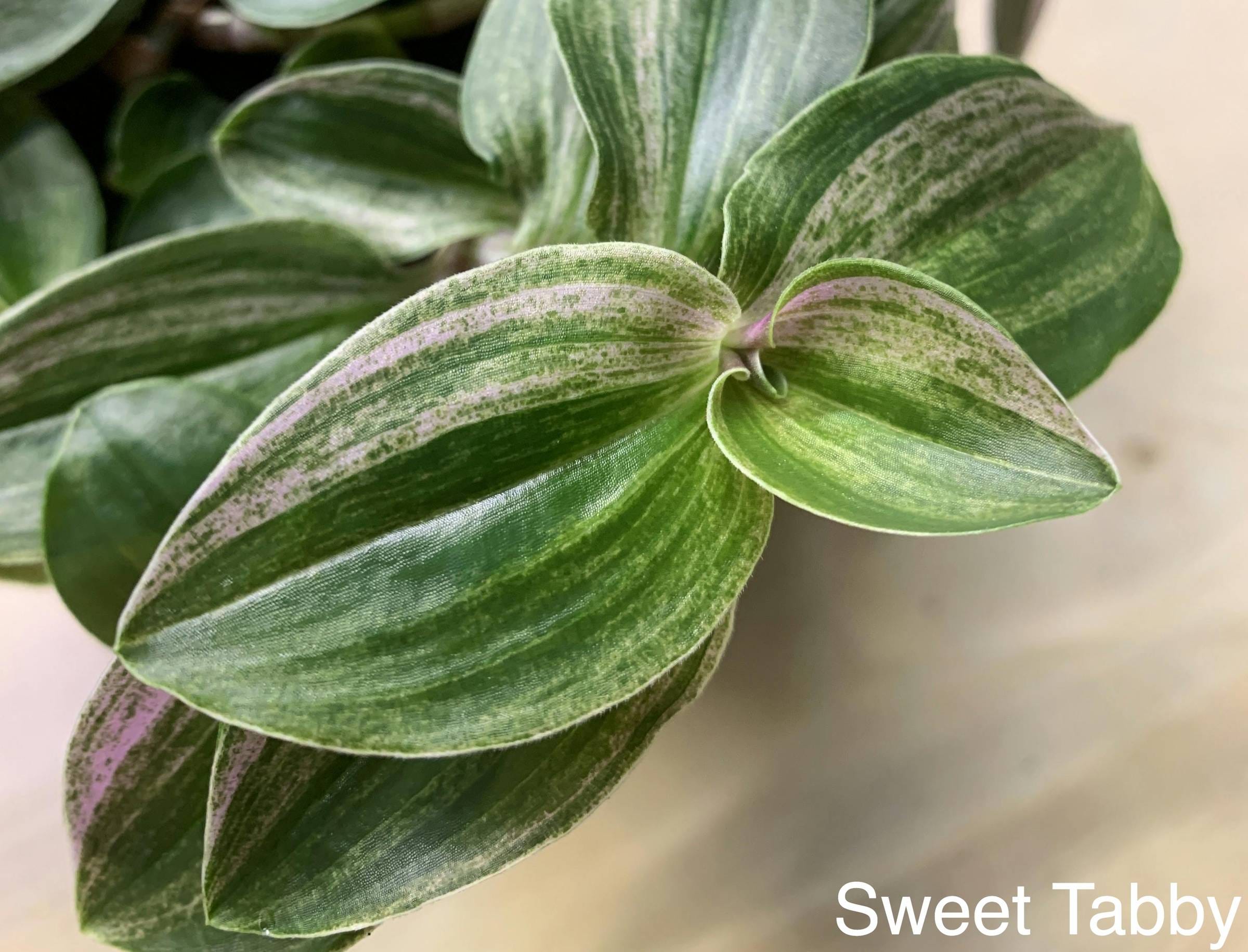
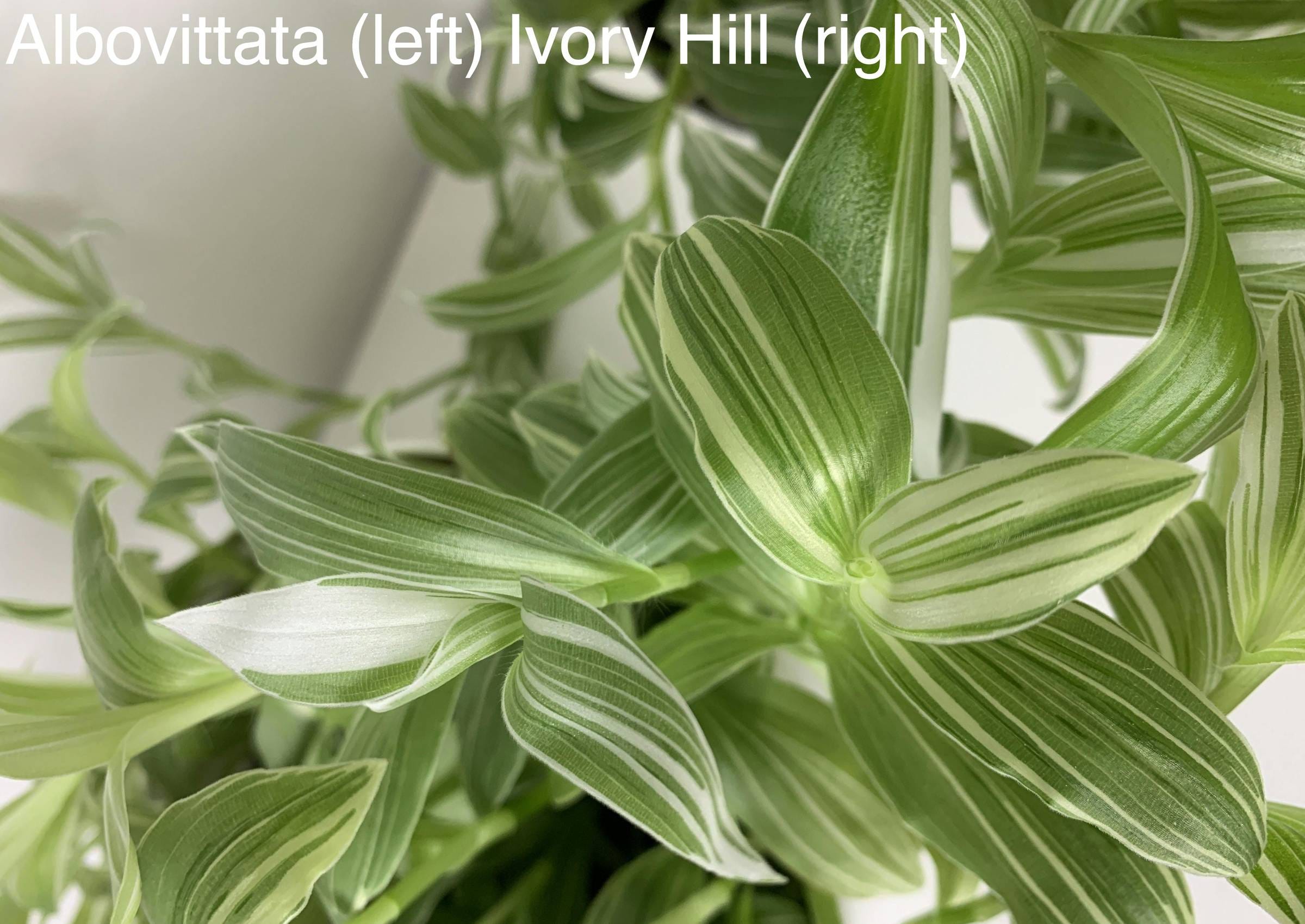
You’re likely familiar with some cultivars in this group, like ‘Albovittata’, ‘Ivory Hill’, EC-TRADE-2011 (’Sweetness’), and ‘Angel Wings’. Others might be less familiar, such as ‘Brightness’, ‘Sweet Tabby’, ‘Gelfling’, ‘Pink Clone’, and ‘Pink Lilac’. And my new ‘Tenderness’ is also part of this group. Here are some of them:

Care Tips for Continental Group Tradescantias
While some cultivars in the Continental Group, like ‘Albovittata’, ‘Ivory Hill’, and ‘Sweetness’, are relatively easy to care for, others may be more delicate and require additional care. Here are some tips to help your Continental Group Tradescantias thrive:
Light: Variegated varieties need lots of light to maintain their beautiful colors. But, they’re also more sensitive to sunburn. Light is important to prevent reverting. A plant sometimes reverts because of its genetics, but sometimes it’s because the plant compensates by producing more chlorophyll to absorb sunlight. The ideal spot is one with a lot of indirect light. They can adapt to full sun too, but it’s best to acclimate them gradually to prevent sunburn.
Soil and Watering: These Tradescantias are particularly sensitive to overwatering. I use well-draining soil mixed with pumice, though perlite is a good choice too. It’s important to allow the soil to dry out between waterings to avoid root rot, a common issue with these plants.
Propagation: Propagating these plants follows the same process as with other Tradescantias, but the compact nature of some Continental Group cultivars can make it slightly more challenging. It’s important to make sure the soil isn’t too wet during propagation to prevent rot, which they’re especially prone to.
Reverting: I try to keep an eye on mine, as some are prone to losing their variegation. If you notice any stem starting to revert, I recommend cutting it immediately. Reverted stems are more vigorous and can quickly dominate the plant. In cases where multiple stems are reverting, consider starting fresh. Pick the stems with the most variegation and place them in a new pot.
Until next time!
Happy planting!
Katja