

Propagation should be one of the easiest things about Tradescantias, but sometimes the cuttings just don’t make it. They rot, refuse to root, or slowly fade away, even though it feels like you’re doing everything right.
In this newsletter, I’m breaking down the most common reasons why Tradescantia propagations fail. Watering mistakes, low light, stressed plants, and even flowering stems can all play a role. If your cuttings keep struggling, this one’s for you.

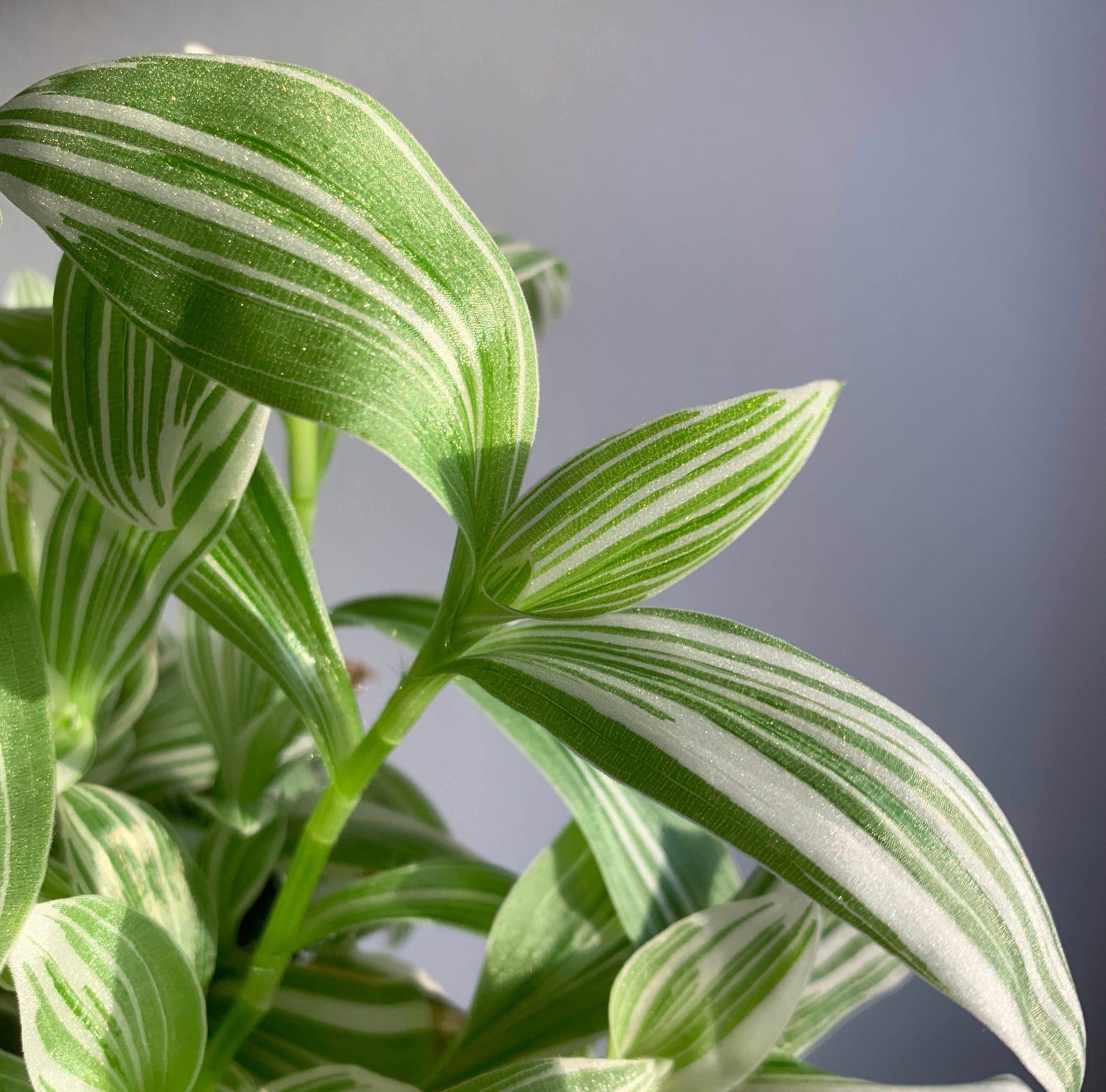
Tradescantia of the week: TPIWH01-0
TPIWH01-0 belongs to the Continental group and is often sold under the name Pistachio White and is a white variegated Tradescantia. It was discovered in 2022 as a branch mutation from Albovittata.
At first glance, TPIWH01-0 and Albovittata can look almost identical. In similar growing conditions, small differences start to show. TPIWH01-0 tends to have slightly larger leaves and more white variegation, which gives it a brighter overall look.
There is also another close lookalike called Ivory Hill. The key difference is the colour of the variegation. Ivory Hill has a warmer tone that leans more toward light yellow, while TPIWH01-0 stays crisp and white.
This plant is quite common in the USA but has only recently started to spread in Europe. If you like variegated Tradescantias, TPIWH01-0 is definitely one to keep an eye on.
Reasons Your Tradescantia Propagations Aren’t Making It
Tradescantia cuttings are usually easy, until they are not. One day they root without any effort, and the next they slowly melt away even though you did everything the same. If your cuttings keep failing and you are not sure why, you are not alone. These are the most common reasons Tradescantia propagations do not make it, and small changes can make a big difference.
Watering mistakes
Watering is one of the most common reasons Tradescantia propagations fail. Too much water is usually the main problem. Cuttings don’t have roots yet, or only very small ones, which means they can’t handle excess moisture. When the medium stays wet for too long, the cutting is very likely to rot before roots have a chance to form.
This is especially common when cuttings are placed in soil that’s kept evenly moist “just to be safe.” In reality, that constant moisture does more harm than good. Tradescantias store water in their leaves and stems, so they can handle drying out much better than sitting in wet conditions.
The goal is to keep the medium lightly moist, not wet. It should never feel soggy. Water when you first place the cuttings in soil, then wait until the soil has dried out before watering again.
If you’re unsure whether to water or wait, it’s almost always better to wait. A slightly dry cutting can recover. A rotting one usually can’t

Low light
Light plays a huge role in successful propagation, and low light is a very common reason cuttings fail. Without enough light, the cutting simply doesn’t have the energy it needs to grow roots.
Light is what allows the plant to photosynthesize, the process where it uses light to turn water and carbon dioxide into energy. This energy is essential for growth. When a cutting doesn’t get enough light, it can’t produce enough energy to support root development, even if everything else is right. Tradescantias are very light-demanding plants.
Low light also affects watering. In darker conditions, the medium stays wet for much longer, which increases the risk of overwatering and rot. Even if your watering routine hasn’t changed, the environment around the cutting has.
For best results, place your cuttings in your brightest window. If you’re propagating during darker months, grow lights can make a big difference. Without enough light, propagation becomes much harder and far less predictable.
A stressed mother plant
One of the most overlooked reasons propagations fail is the condition of the plant you take cuttings from. A stressed plant will almost always produce weaker cuttings.
Stress can come from many things. A Tradescantia that has been kept in low light for a long time is already struggling. The same goes for a plant that has been under- or overwatered, hasn’t received enough fertilizer, or has been weakened by pests. Even if the plant still looks “okay,” it may be too weak to propagate successfully.
When you take cuttings from a stressed plant, you’re starting at a disadvantage. This increases the risk of rot or failure. In these cases, it’s often better to focus on improving the plant’s overall health first, more light, better watering, proper feeding, and pest control, before taking any cuttings.
Flowering stems
Flowering stems are a common reason Tradescantia cuttings fail, but they are not impossible to propagate. They are simply more difficult.
When a stem starts to flower, the plant directs much of its energy into producing blooms instead of roots. Propagation requires a lot of energy, and a flowering stem has less available for root development. This often results in cuttings that look fine at first but root very slowly, or not at all.
Sometimes a flowering cutting will continue to bloom in water or soil. This can be misleading. While the flowers look healthy, root growth is often stalled, and the cutting may eventually collapse or rot.
It is still possible to propagate flowering stems, especially if you remove the flowers and buds first. This helps redirect energy back toward root growth.
The good news is that each stem is its own individual plant. A flowering stem will not affect the stems around it. You can take cuttings from non flowering stems on the same plant, and they will root just fine, even while another stem is in bloom.
For the best results, choose stems that are not flowering. These are already focused on growth and are much more likely to root quickly and reliably.
Propagating at the wrong time
Timing plays a big role in successful propagation, and the wrong timing is a very common reason cuttings fail. Even though Tradescantias are fast growers, they still slow down when light levels drop.
Propagation depends on active growth. When days are short and light is weak, the plant produces less energy. This means cuttings have a harder time forming roots, even if your watering and setup are correct. They may just sit still, grow very slowly, or start to rot before roots can develop.
Dark periods also affect moisture. When growth slows, the medium dries more slowly. This increases the risk of overwatering, even if you have not changed how often you water. What worked well in spring or summer may suddenly become too much.
Winter is the most challenging time to propagate, especially in darker climates. A window that works well in summer often does not provide enough light in winter, even if it looks bright to us.
For best results, propagate when your plant is actively growing, usually in spring and summer. If you want to propagate during darker months, grow lights can make a big difference. Without enough light and active growth, propagation becomes slower, harder, and far less predictable.
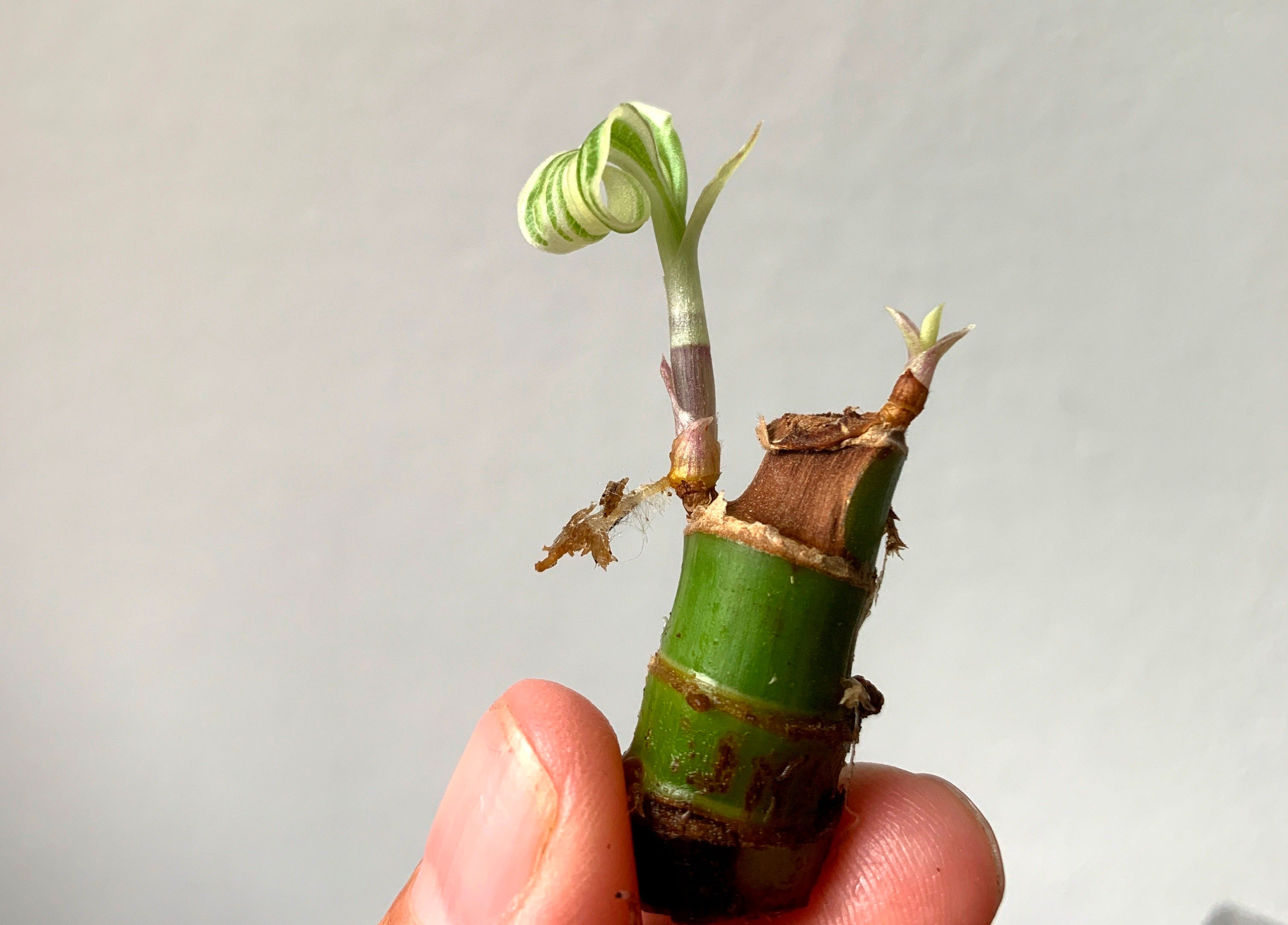
Bonus Tip: Your propagation medium matters
The medium you choose for propagation affects how you care for the cutting. Soil and water both work well for Tradescantias, but they require different approaches.
Water propagation is simple and easy to monitor, but it can also be unpredictable. Cuttings often look fine in water, then struggle when moved to soil.
Soil is more stable long term, but it requires careful watering. If the soil stays too wet, especially in low light, cuttings can rot before roots have time to form.
Sphagnum moss holds moisture while still allowing plenty of air around the stem. This creates a gentle and forgiving environment for root growth. Because of this, sphagnum is my favourite method for very weak or delicate cuttings. It keeps them hydrated without suffocating them, giving them the best chance to recover and root.
If your cuttings keep failing, changing the medium can sometimes make all the difference.
If you are looking for high quality options, take a look at SYBotanica soil mixes or sphagnum moss, both work very well for propagation (affiliate links). Use code KATJA10 for 10% off).
Propagation does not always fail because you are doing something wrong. Small details like light, timing, and the right medium make a huge difference. With a few adjustments and a bit of patience, most Tradescantia cuttings will find their way. And when they do, it is always worth the wait.
Until next time, happy planting!
Katja

Disclaimer: These are affiliate links, which means I earn a small commission if you make a purchase using my codes, at no extra cost to you. Your support helps me keep sharing Tradescantia tips and content—thank you!

