

Hello Plant People,
Let’s talk about brown leaves on Nanouk! Have you noticed your Nanouk’s leaves turning brown and crispy? I recently had this problem and initially, I was confused about the cause. At first, I thought it was due to low humidity and a draft from the window. So, I chopped and propped, but most of the cuttings ended up rotting. They were probably in such bad shape that propagating them directly into soil wasn’t a good idea. So, I took the few pieces that hadn’t completely rotted beyond saving and put them in sphagnum moss. They did much better and have even grown new healthy roots!
So, what happened? Most likely, it was overwatering. I had not been careful with watering and gave it some water every now and then. Had it been summer and it had more light, then I think it probably would have been fine, but it was already stressed due to the lack of light.
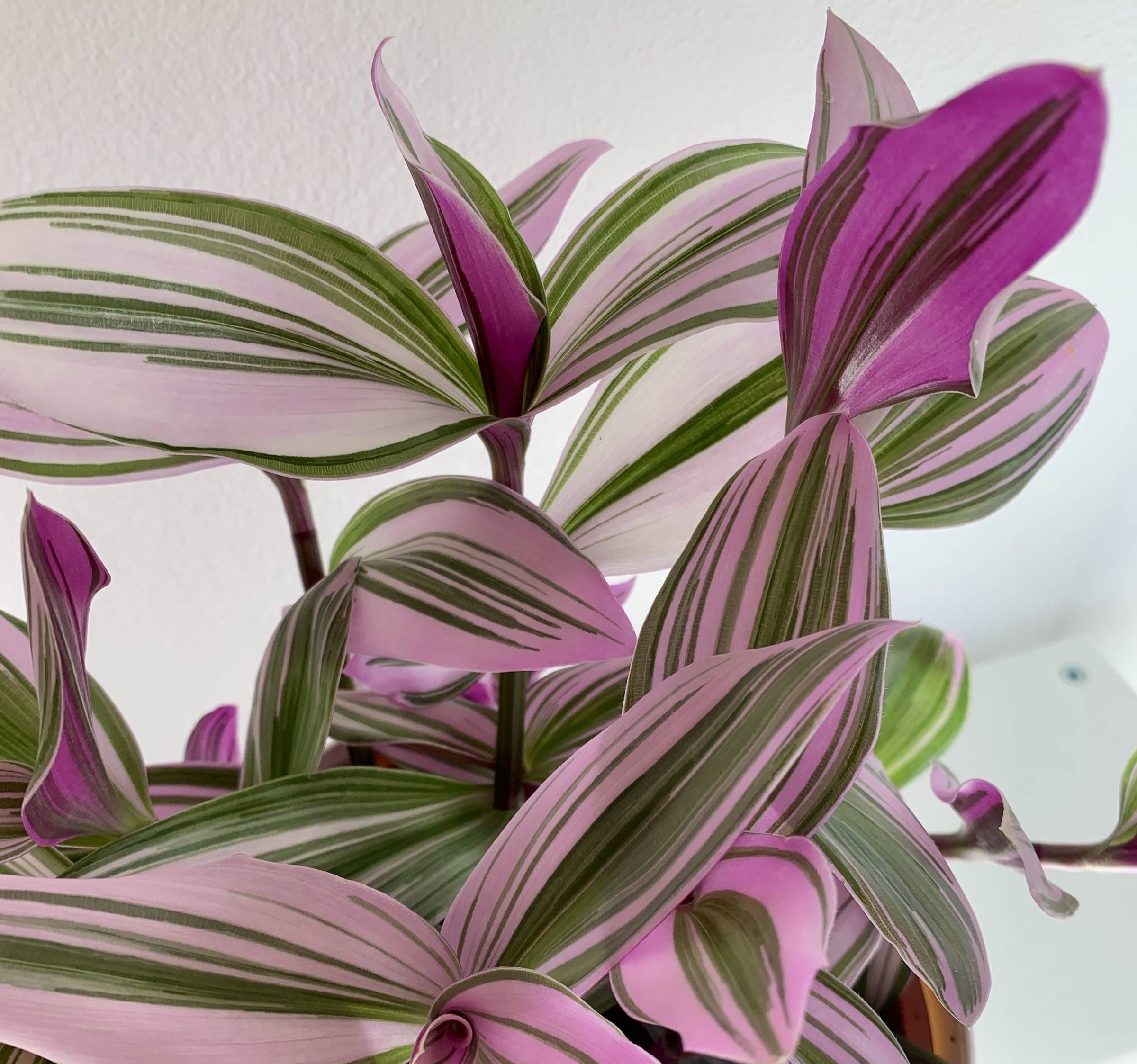
Nanouk is known for being fussy and easily getting brown leaves. It’s not always overwatering, but it’s a good place to start. Check the soil, repot if necessary. Too little water is better than too much. But here are some other reasons your Nanouk might be getting brown leaves:
Underwatering: This could also cause your plant to get brown leaves. Usually, you can see this at the tips, that they are getting brown. If this is the case, then it’s also a good idea to check the soil. Sometimes the soil can get hydrophobic, and even if you water it generously, the soil’s not getting evenly hydrated, and this can lead to the plant not getting enough water.
Water on Leaves: There is some debate whether this actually causes brown leaves. Some say it doesn’t, and some say it does. I’m on the team that believes it does. Leftover water lingering on leaves can cause rot, particularly in denser parts of the plant. And it can also cause fungal infections and poor health. Don’t mist your Nanouk, and bottom water if possible. You can also use a watering can with a narrow tip to reach in under the leaves.
Pests: Always be vigilant for pests. Even in wintertime, these little unwelcome guests can find your plants. Tradescantias seem to be especially popular with thrips; there are many leaves to hide behind. The silver spots thrips usually create can often have a more brownish color, so check your plant regularly.
Low Humidity: Indoor air can get quite dry, particularly in winter. Even if Tradescantias generally are pretty adaptable to their environment, they can benefit from a raised humidity sometimes. Consider setting up a humidity tray near your Nanouk to help maintain a more favorable environment.
Variegation: Like many other variegated plants, Nanouk is more sensitive. The variegated parts are more sensitive to light and inconsistent watering. Both too much and too little light can cause brown spots.
And even if you do everything right, sometimes Nanouks just develop brown leaves for no apparent reason. I’ve heard many complain of their Nanouk as a diva, not happy no matter what they do. So don’t be hard on yourself if your plant isn’t thriving. There’s a lot you can do, but sometimes there’s not.
Wishing you thriving plants and happy gardening!
Katja