

Hello plant people!
Got a pink Tradescantia and can’t figure out if it’s a ‘Nanouk’ or ‘Sweetness’? Or maybe you’re just curious about the differences between these two? Today, I’ll talk about these varieties to help clear up any confusion. Let’s see what makes each of these unique and see if we can figure out which one you might have.
(Sidenote: ‘Sweetness’ is actually an informal nickname for the variety officially known as EC-TRADE-2011, but since that’s not easy to remember, I’ll stick with ‘Sweetness’.)
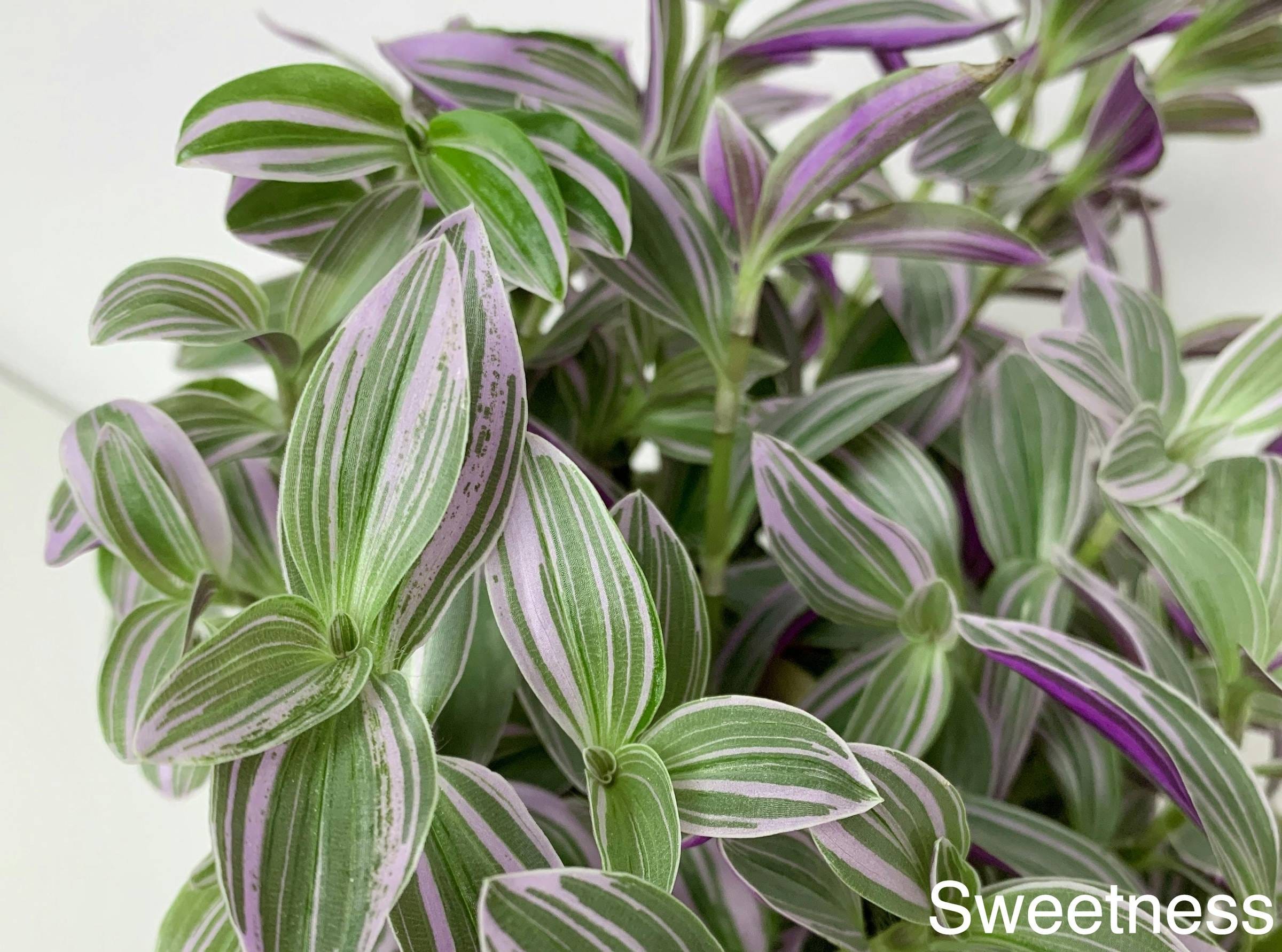
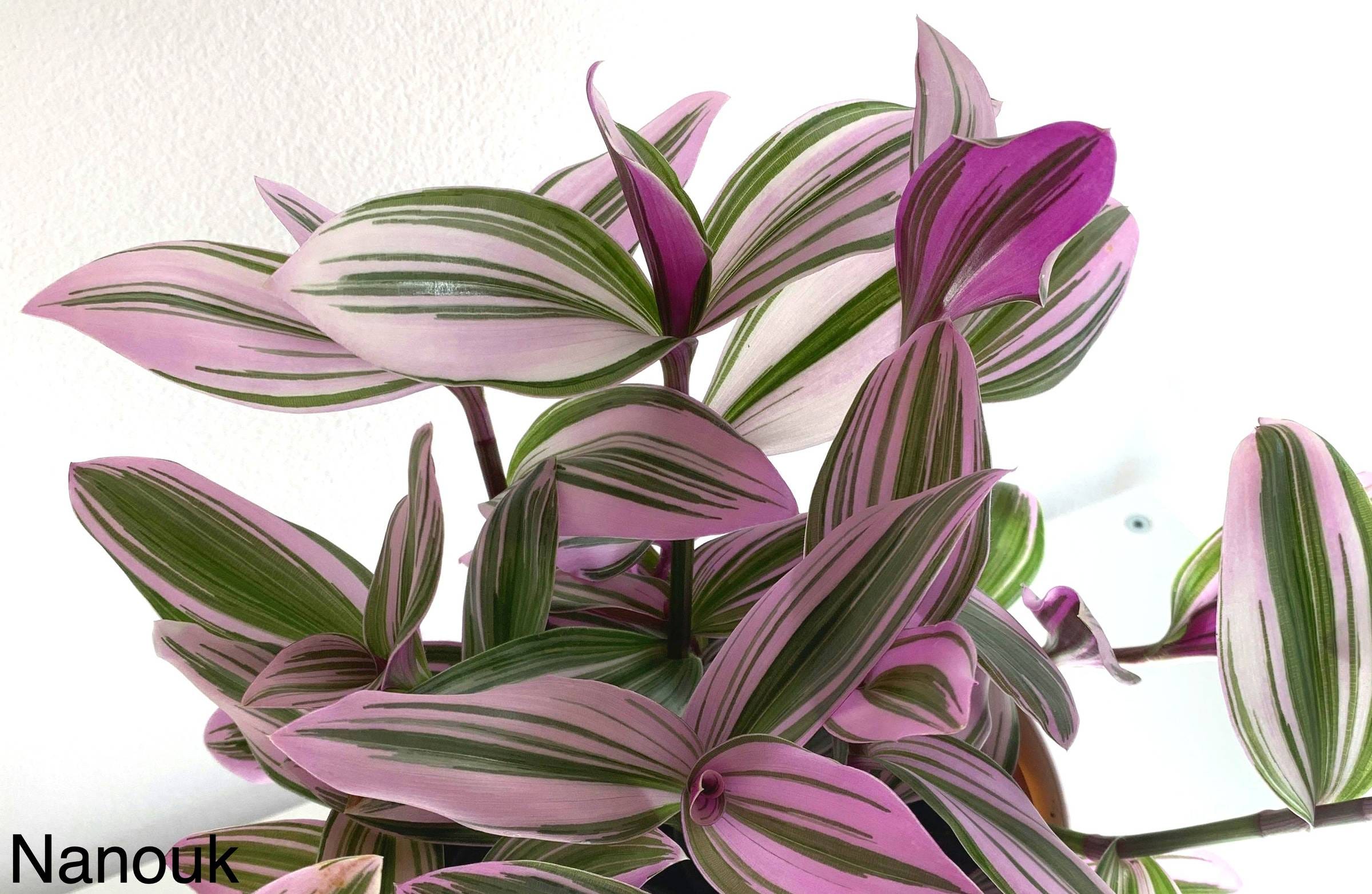
Cerinthoides Nanouk vs Continental Group Sweetness
Size
The easiest way to tell them apart might be the size of the leaves. ‘Nanouk’ has larger leaves*, about 10-12 cm (4-4.7 inches) long and up to 5 cm (2 inches) wide, while ‘Sweetness’ has smaller sized leaves, only 3-6 cm (1.2-2.4 inches) long and 2-3 cm (0.8-1.2 inches) wide. Along with the bigger, thicker leaves, ‘Nanouk’ also has thicker, more robust stems compared to the slender stems of ‘Sweetness’.
Growth and Colour
Their growth habits also vary, with ‘Sweetness’ growing in a more compact way and having a tendency to crawl, while ‘Nanouk’ has longer internodes (the space between the leaves) and grows more upright.
Their colors differ a bit too; ‘Nanouk’ has a pink to cream-white variegation, and ‘Sweetness’ leans more towards pink to purple. ‘Nanouk’s’ color can also change more depending on the light, becoming more intensely pink with more light.
What do you think? Can you see the differences now?
When trying to identify them, I always check the leaf size and shape first, then stem thickness, and how close together the leaves are. It might seem tricky at first, but with a bit of practice, you’ll soon see they’re not that similar after all!
Other Pink Tradescantias
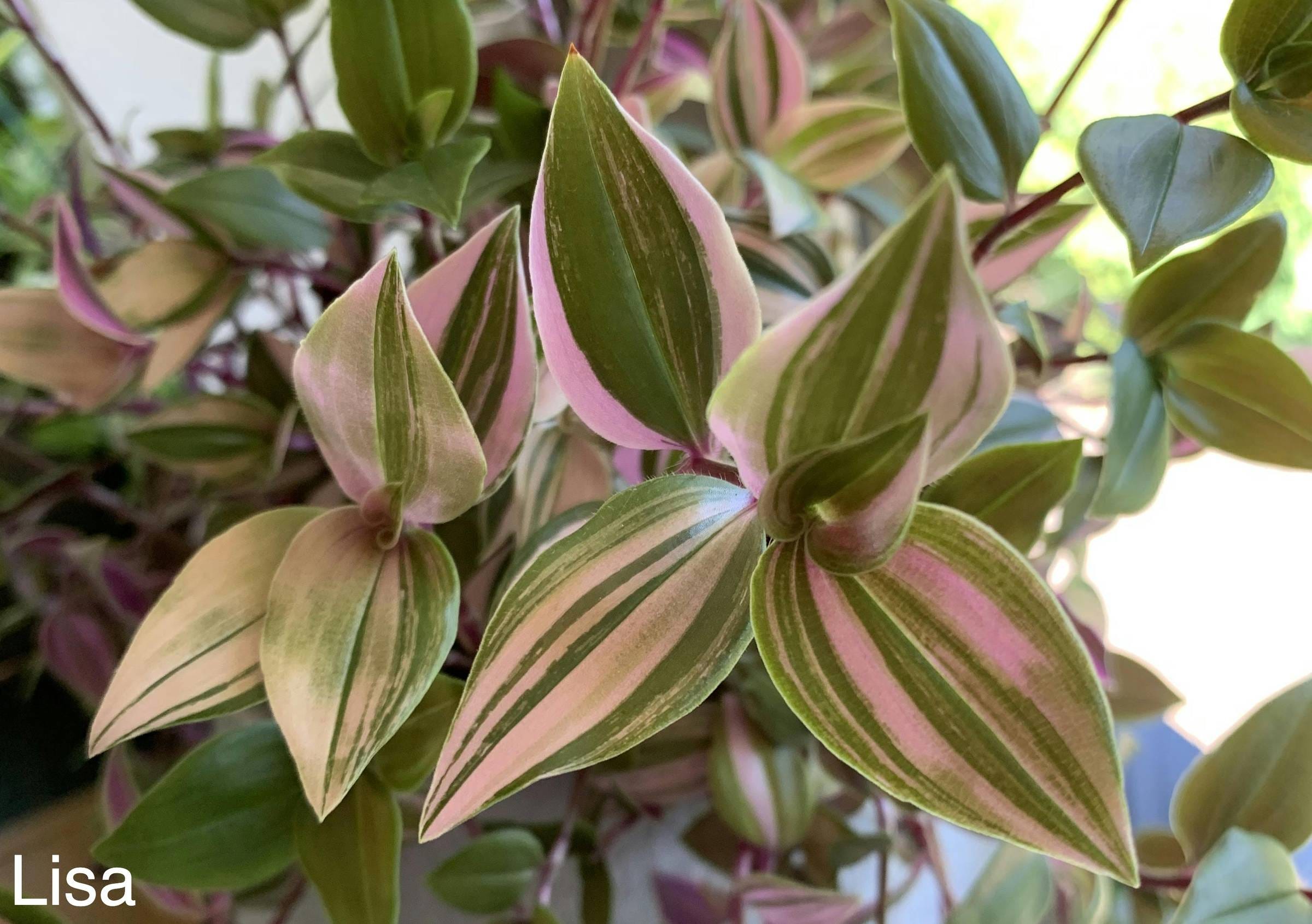
Mundula Lisa: Often called Tricolor and sometimes confused with ‘Nanouk’, though I’d say the only thing they have in common is their color. Lisa’s leaves are much smaller (2-4 cm long) and rounder. It has thin stems that start trailing much quicker than ‘Nanouk’.
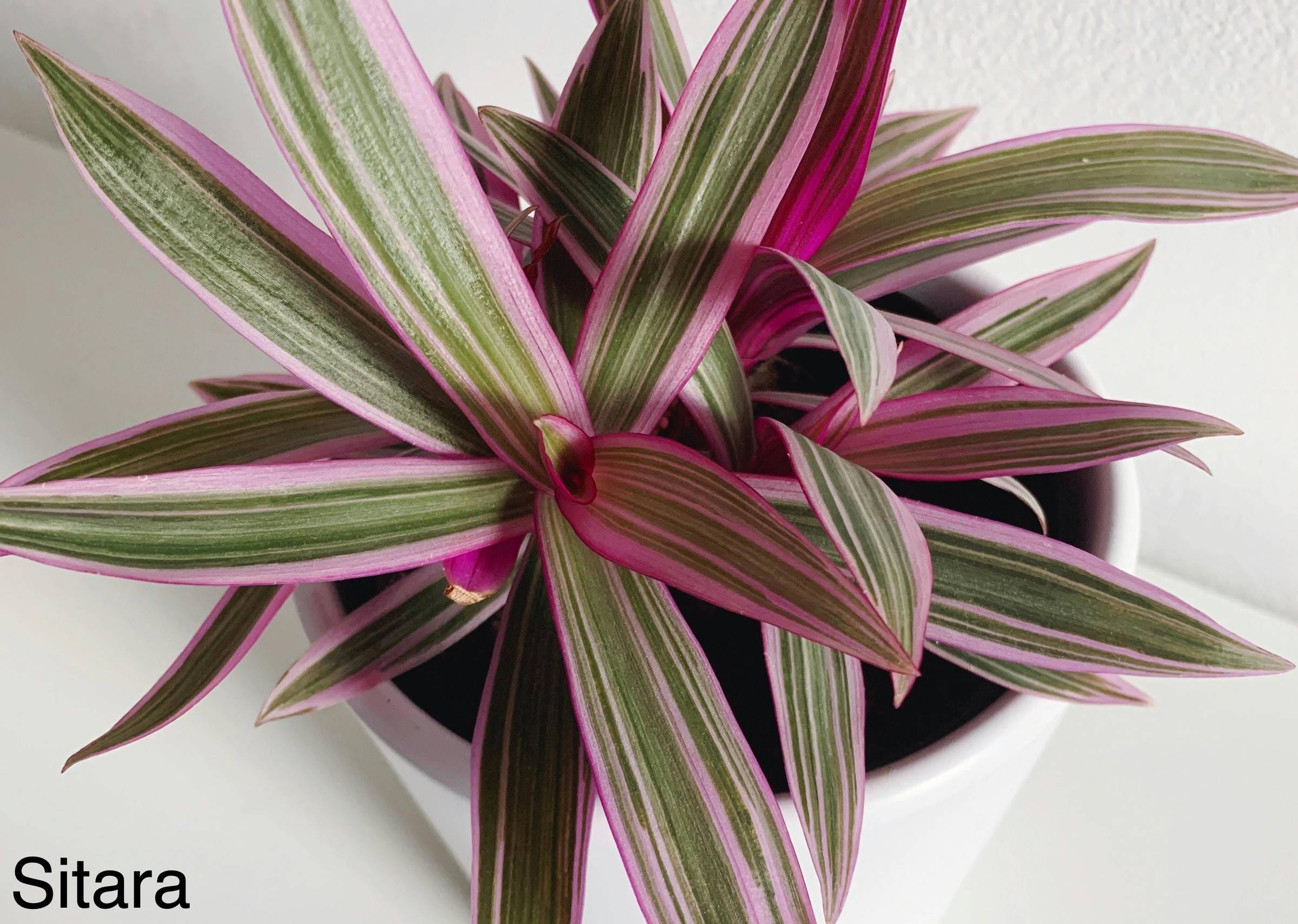
Spathacea Sitara: Stands out among the pink Tradescantias with its upright rosettes and long leaves.
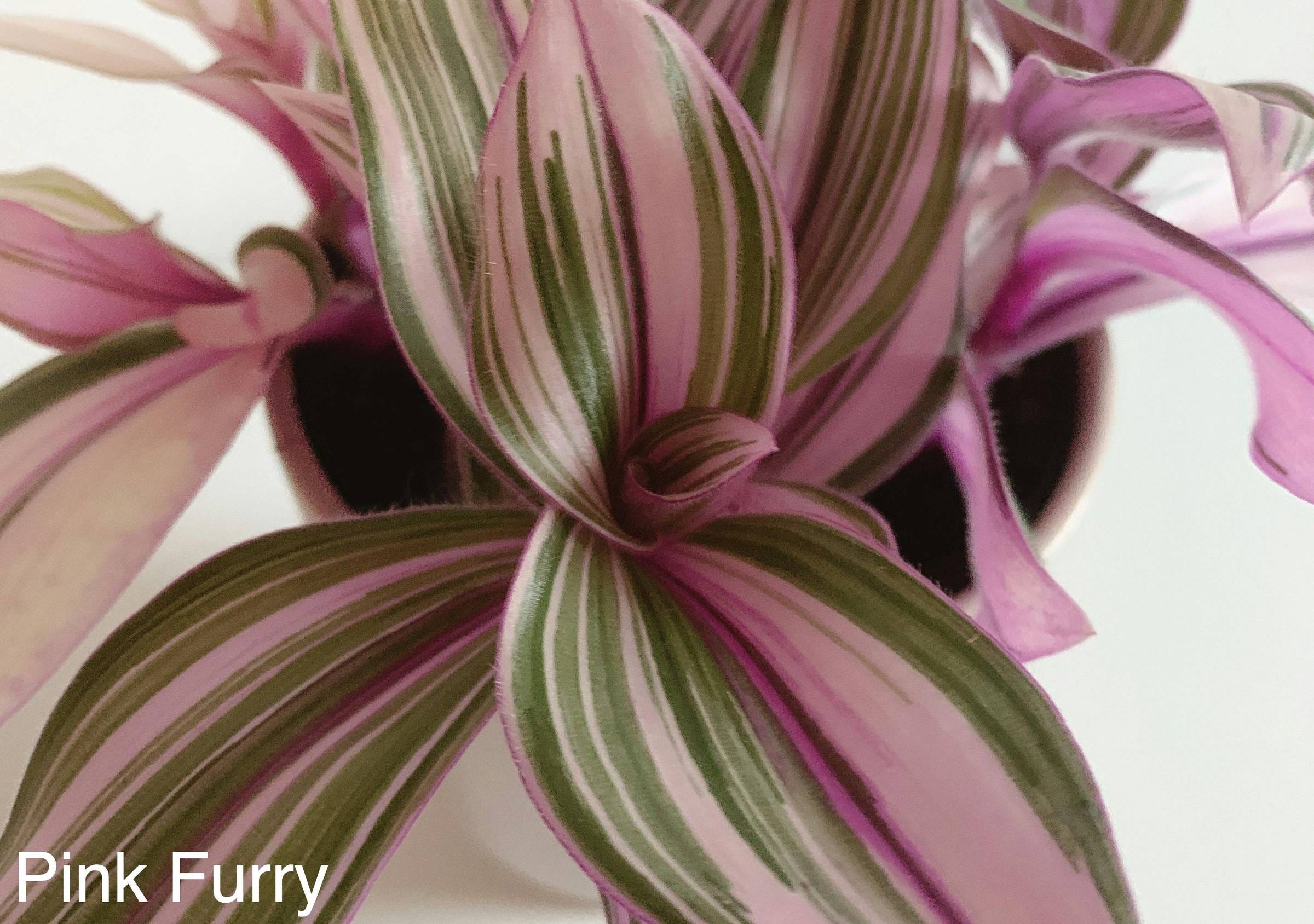
Cerinthoides Pink Furry: At first glance, you may think it looks exactly like ‘Nanouk’, but a quick feel of the leaf undersides reveals that ‘Pink Furry’ is covered in hairs, unlike the smooth leaves of ‘Nanouk’.
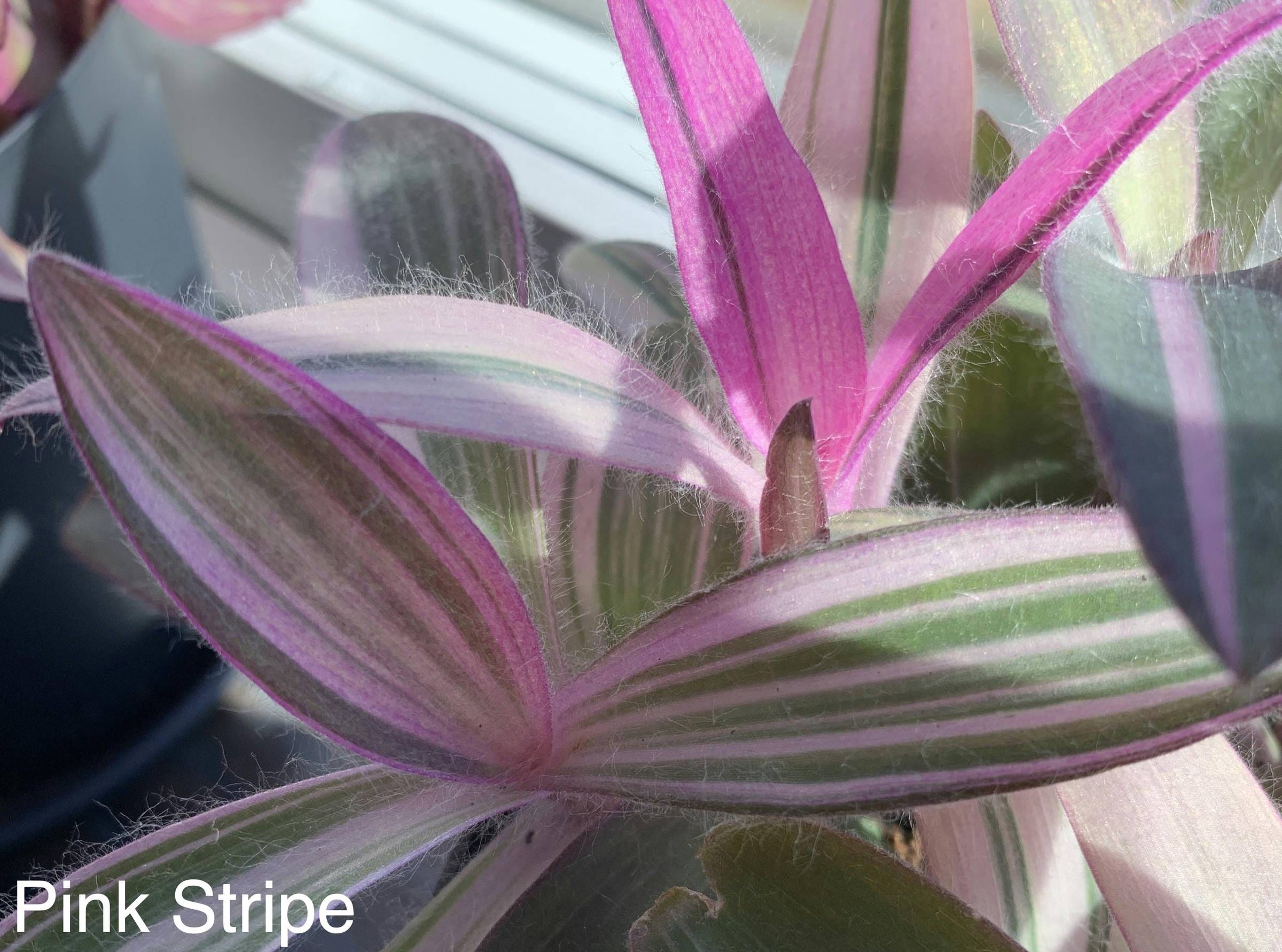
Pallida Pink Stripe: Has longer, thinner leaves covered in hairs on both sides. In bright light, its green parts turn purple.
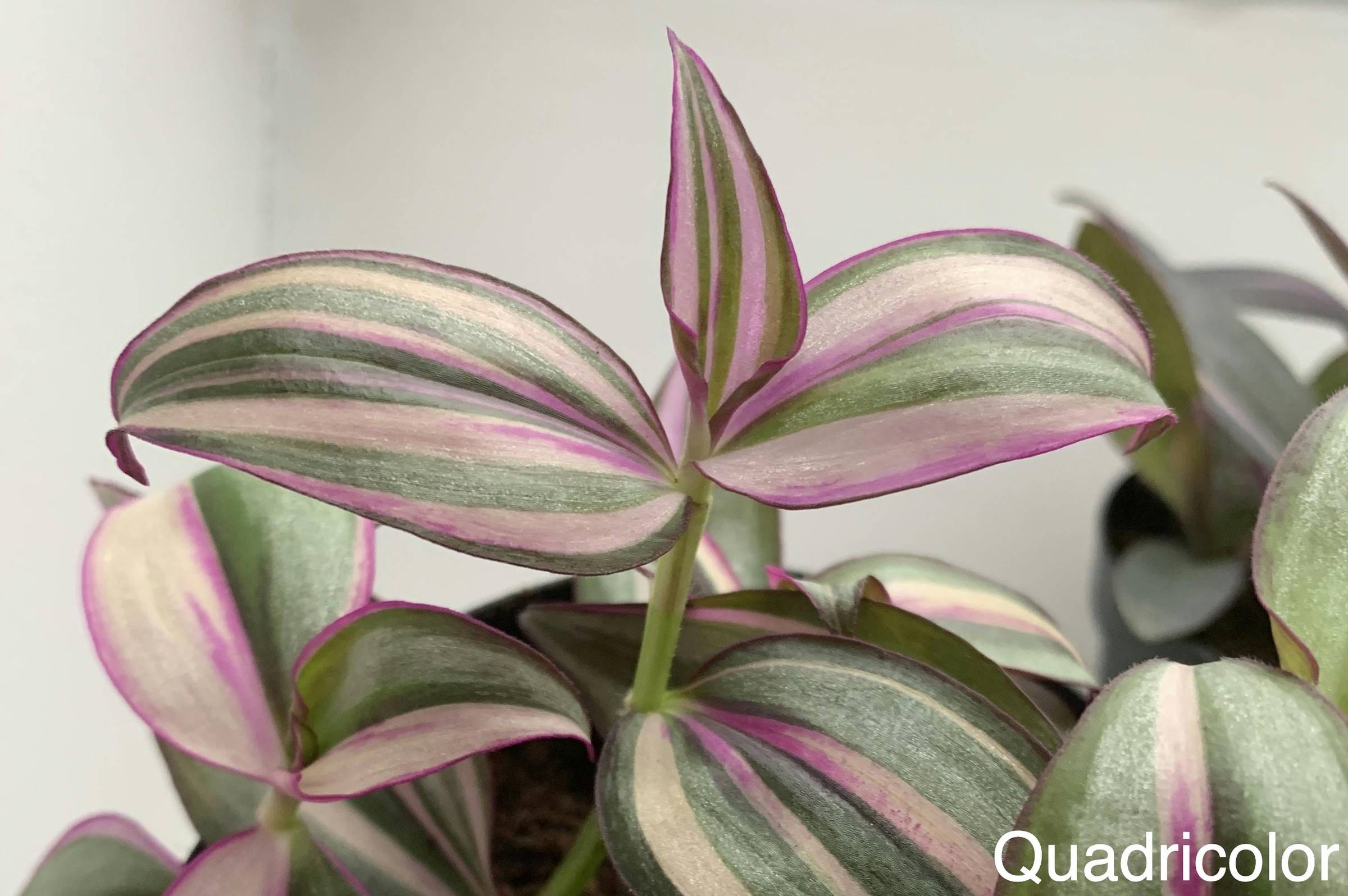
Zebrina: There are four Zebrinas with pink variations - Quadricolor, Multicolor Discolor, HappiLee, and Pink Paradise. These are easy to tell apart from the others thanks to their silvery stripes.
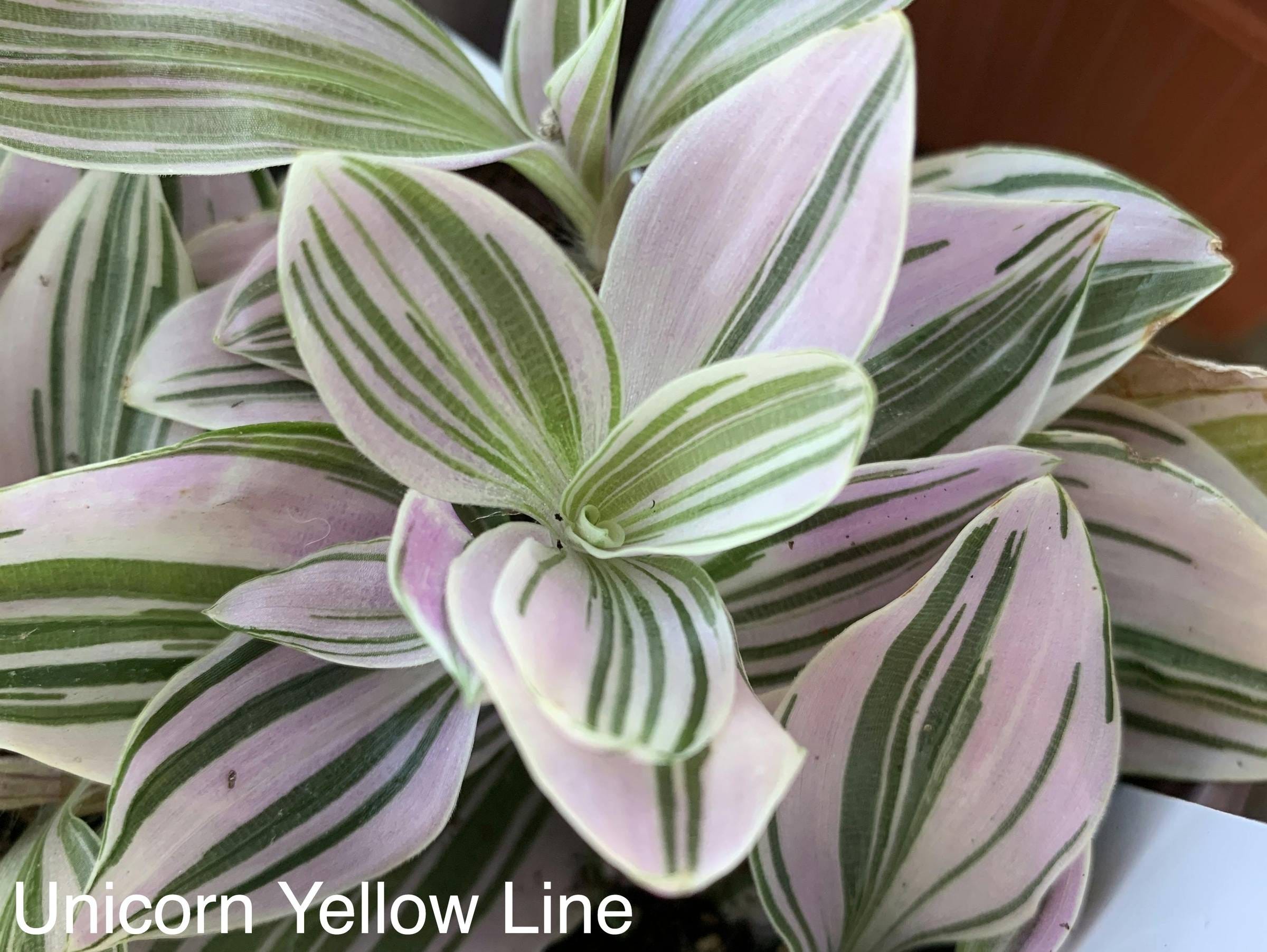
Continental Group: Includes several pink varieties with smaller leaves and more compact growth compared to ‘Nanouk’. They’re all very similar and can be difficult to tell apart.
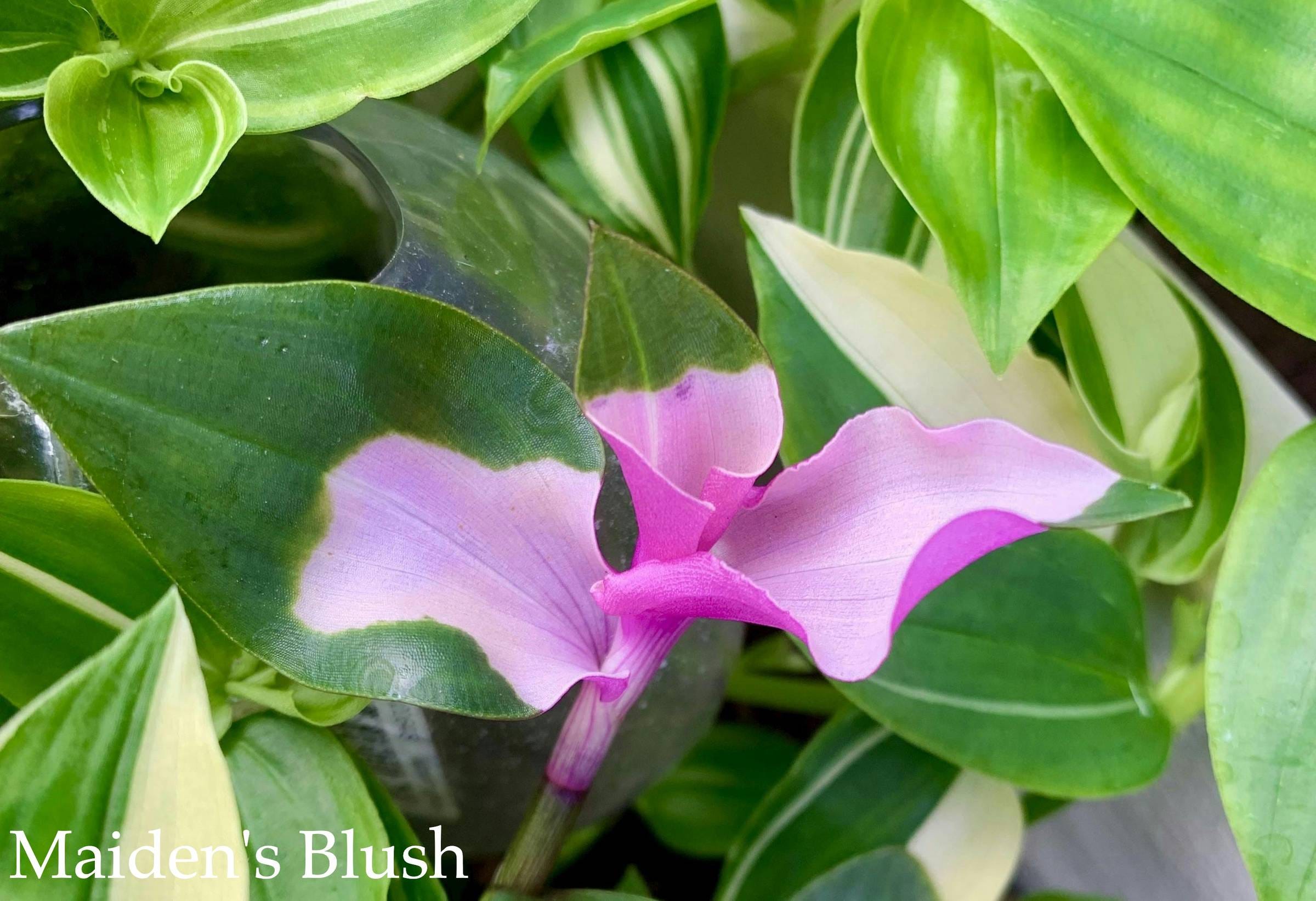
Maiden’s Blush: This one is often also called Blushing Bride. It gets its pink coloration in colder temperatures in a pattern unlike any other Tradescantia, starting from the inside and moving out.
Fluminensis Lavender and Mundula Fairy Wings: Similar to Lisa but quite rare. Unfortunately, I don’t have them to show you the difference, so I wont cover these in this newsletter.
*Note: If your ‘Nanouk’ has more rounded leaves and appears more compact than others, it’s likely been treated with PGR (plant growth regulators) at the nursery for faster growth and a more visually appealing look. But don’t worry, this effect wears off over time without harming the plant.
Until next time!
Happy planting!
Katja